The Ingredient
Green Gold: What Real Pistachio Costs, and How to Spot the Fake
The pistachio became the most fashionable flavour in the world. Most of what it now flavours has never met one.
What we know about the pistachio, about Neapolitan baking, and about drinking coffee the way it is drunk at home. Written between bakes.
The pistachio became the most fashionable flavour in the world. Most of what it now flavours has never met one.
They look like cousins. They are built from different dough, on different logic, for a different moment of the day.
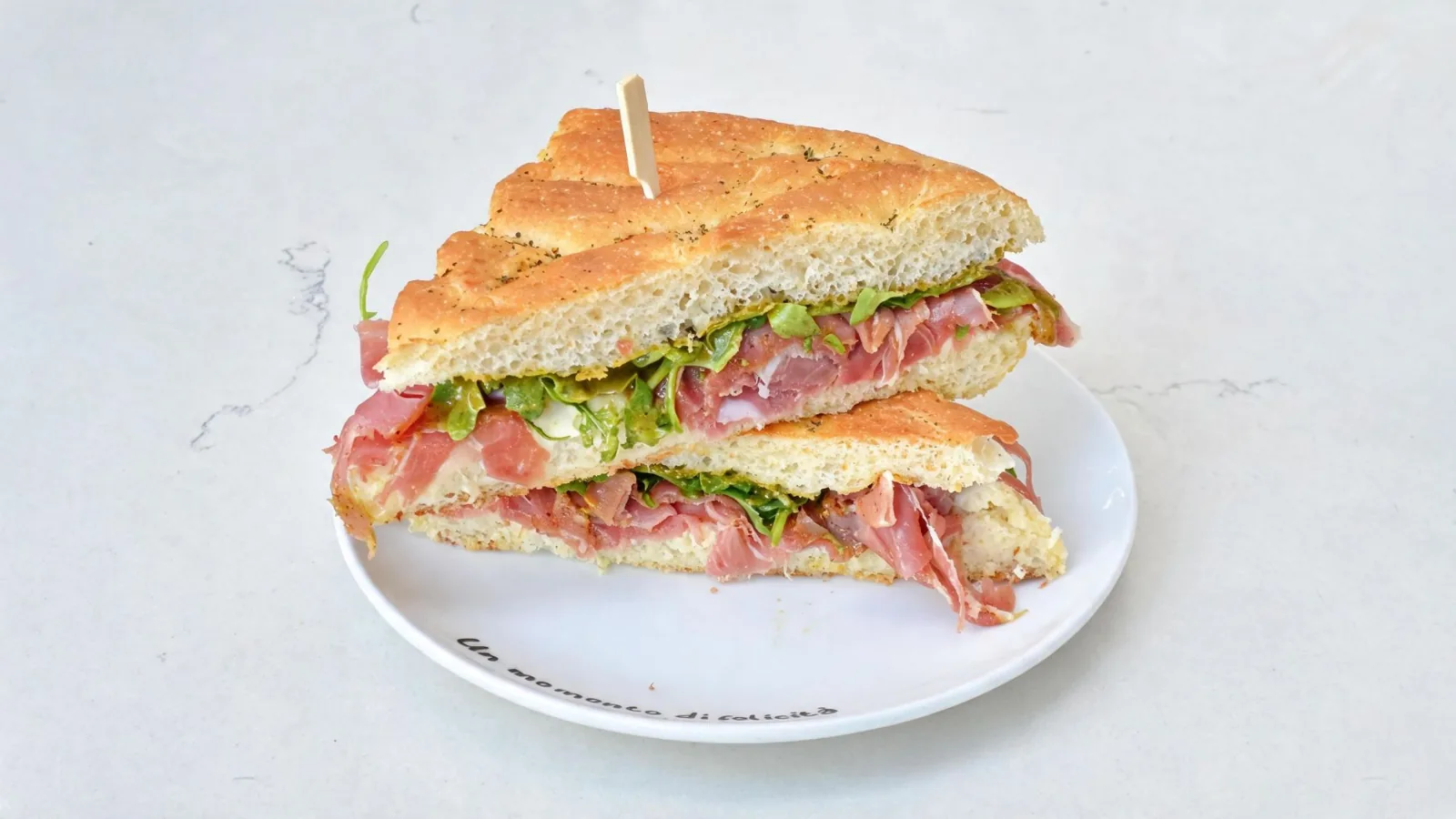
It is oval, it is lighter, and the dough was started before you decided to have lunch.
Nine words of Italian, one rule about milk, and you will never hesitate at an espresso bar again.
Everything behind the glass, in the order you should meet it — and what each one is actually made of.
How much food a room of twenty actually eats, what survives the drive, and when to stop ordering.
Three fresh white cheeses, one family, and a gelato flavor that has been confusing people for years.
A Neapolitan custom about a cup of coffee, a stranger, and a barista who keeps the count.
Three small changes to the recipe, and one big difference on the tongue.
A field guide to the breads under our paninis, and why each filling lands on the bread it does.
Breakfast early and small, lunch long, dinner late. The hours shift by region, but the shape of the day does not.
The four o'clock pause that Italian children are promised and Italian adults quietly keep.
In Naples a lot of good eating happens standing up, out of paper, with one hand free.
In Italian it is a grammar question. In English it turned into a cooking method.
In Italian, prosciutto just means ham. The word after it tells you whether it was ever cooked.
A pink, silky sausage from Bologna, the white squares in every slice, and the green ones in some.
Two breakfasts, really: one at the kitchen table, one at the bar counter, and neither of them involves eggs.